Codename: The Handpainted Typeface Redefining Authenticity in Design
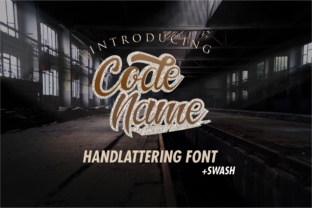
In a digital landscape saturated with flawless, algorithmically refined fonts, a counter-movement is gaining momentum. Creators and audiences alike are seeking a return to texture, imperfection, and human touch. Enter Codename, a striking handpainted typeface that stands as a deliberate and powerful answer to this demand. Codename isn't merely a font; it's a crafted artifact, bringing the visceral quality of brushstrokes and paint directly into the designer's toolkit. Its two distinct styles offer a versatile range of expression, proving perfect for applications from letterheads and vintage apparel to headlines, logotypes, posters, and cards. But its true significance lies deeper, connecting to evolving professional needs, cultural trends, and a fundamental shift in how we perceive authenticity in visual communication.
Beyond Digital Precision: The Rise of the Artisanal Aesthetic
The contemporary market, especially among professionals, entrepreneurs, and savvy marketers, demonstrates a pronounced appetite for brands and designs that feel genuine. This isn't about a nostalgic revival of past styles in a superficial way. It's about integrating tangible, human-crafted elements into modern workflows to forge deeper connections. Codename embodies this artisanal aesthetic. Each character carries the evidence of its creation—variations in stroke weight, subtle textural overlaps, and an organic flow that cannot be replicated by a purely geometric digital process. This quality immediately signals care, individuality, and a departure from corporate homogeny. When used on a letterhead, Codename transforms a standard document into a personal statement. On a poster or a card, it commands attention not through sheer loudness, but through its inherent character and warmth.
Aligning with Creative and Consumer Trends
This movement aligns with several parallel trends across creative industries and consumer preferences. In lifestyle branding, there's a strong push towards "maker culture" and products that tell a story. A logotype crafted with Codename inherently tells a story of craftsmanship. In technology, as interfaces become more immersive and experiential, the need for UI elements that feel engaging and human-centric grows. While not for body text, Codename can provide a powerful anchor in headlines for apps, websites, or campaigns that aim to stand out from the sterile default. Furthermore, in the realm of vintage apparel and merchandise design, the typeface offers authentic wear and texture without needing artificial digital aging filters, providing designers with a ready-made, credible tool.
Why Codename Captures Professional Attention
For freelancers, marketing agencies, and creative entrepreneurs, attention is a currency. The utility of Codename lies in its ability to capture and hold that attention efficiently. Its handpainted nature creates a high degree of visual memorability—a critical factor in crowded digital spaces. But professionals are paying attention for practical reasons beyond aesthetics. The inclusion of two styles within the Codename family addresses a core need for versatility within a cohesive identity. One style might offer a bold, declarative weight perfect for a primary logo or headline, while the companion style provides a complementary, perhaps more nuanced option for secondary text or varied applications. This allows for building a consistent yet dynamic brand system without mixing disparate typefaces that dilute the message.
Consider a practical example: an independent coffee shop building its brand. Using Codename for its main signage and logotype immediately establishes an artisanal, hands-on ethos. The same typeface, on its packaging, menu cards, and even its social media campaign headlines, reinforces that identity across touchpoints. The workflow benefit is clear: a single, potent asset that multiplies its impact across mediums, from physical print to digital displays.
Changing Needs and the Relevance of Human Texture
The expectations of audiences and the workflows of creators have evolved in tandem. There is a growing impatience with designs that feel generic or mass-produced. This changes the needs of the designer. The toolkit must now include resources that inject personality and authenticity at scale. Codename meets this need by providing a ready-made, high-quality human texture. It saves the designer or entrepreneur the considerable time and skill required to manually create such lettering, while still delivering the end result that projects a bespoke quality. It bridges the gap between the desire for custom, handcrafted design and the practical constraints of timelines and budgets.
This relevance extends into changing marketing preferences. Data-driven marketing is indispensable, but the creative component that drives emotional engagement is increasingly rooted in authenticity. Marketing messages framed by the distinctive character of Codename can cut through the noise of overly polished, templated ads. It signals that the brand behind the message has a human foundation, which builds trust and connection—key objectives for any modern marketer or business owner.
Integration into Modern Design Workflows
The practical application of Codename within contemporary digital workflows is straightforward yet impactful. As a digital typeface, it integrates seamlessly into standard design software used for logos, print layouts, and digital assets. This means the handpainted quality is not locked in a physical medium; it can be adapted, colored, and composited with other digital elements, offering immense flexibility. The designer can pair the assertive texture of Codename in a headline with a clean, minimalist sans-serif for body text, creating a balanced and sophisticated composition that leverages the best of both worlds: human touch and modern clarity.
Connecting to Larger Developments in Visual Culture
The emergence and adoption of typefaces like Codename are part of a larger recalibration in visual culture. As artificial intelligence and automation begin to generate more content and design, the value of the irreproducible human element rises. In a future where flawless generative design might become commonplace, the intentional imperfection and specific artistry captured in a handpainted font become a mark of true originality and conscious creation. Codename, therefore, sits at an interesting intersection: it is a digital asset that actively preserves and promotes analog craftsmanship. It allows creators to future-proof their work by embedding a layer of authenticity that automated systems cannot genuinely replicate.
For enthusiasts and professionals looking ahead, this isn't speculative. It's a strategic observation. Incorporating distinctive, human-centric design elements like Codename into one's repertoire is a way to stay relevant and resonant. It answers the audience's growing sophistication in discerning between mass-produced and meaningfully crafted visuals.
The Substantive Impact of a Single Typeface
Ultimately, the discussion around Codename transcends a simple feature list of its weights or supported glyphs. Its impact is contextual and substantive. It serves as a key tool for professionals aiming to build brands with depth, for marketers crafting campaigns with character, and for creators of all kinds seeking to infuse their work with a palpable sense of intention. The two styles of Codename provide not just options, but a range of expression within a single, coherent voice. From the bold statement on a poster to the subtle elegance on a business card, it maintains its core identity: unmistakably human, deliberately crafted, and perfectly positioned for the current moment where authenticity is not just a trend, but a benchmark for quality and connection.
In a world of endless digital choices, Codename stands out by offering something increasingly rare: a tangible sense of the hand that made it. For the forward-looking professional, that is an asset of immense practical and perceptual value.