The Art of Handcrafted Lettering: From Fonts to Finished Files
In the digital world, we are surrounded by type. From the notifications on our phones to the signage in our streets, letters shape our communication. Yet, there's a special charm in lettering that feels personal, celebratory, and crafted by hand. Designs like "Happy Birthday" and "This lettering is inspired by my fonts Congrats Script and Hey Pretty Girl" are perfect examples. They aren't just text; they are artistic expressions meant for specific, joyful occasions. Understanding what these designs are, how they are made, and the practical files like SVG, PNG, EPS, and DXF they come in, opens up a world of creativity for everyone, from hobbyists to professionals.
What is Handcrafted Lettering?
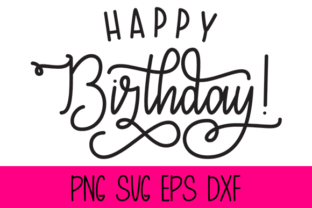
Let's start from the ground up. Handcrafted lettering is the art of drawing letters, often with a stylistic, decorative, or thematic focus. It differs from a standard "font" or "typeface," which is a complete system of characters designed to work in any combination. Lettering is typically created as a single, fixed piece of art for a specific word or phrase, like "Happy Birthday." The shapes, connections, flourishes, and overall composition are carefully considered as one unit.
In our example, the phrase "This lettering is inspired by my fonts Congrats Script and Hey Pretty Girl" beautifully explains this relationship. A font designer might create two distinct fonts: one for elegant, congratulatory messages (Congrats Script) and another for playful, affectionate tones (Hey Pretty Girl). The lettering artist can then draw inspiration from the stylistic DNA of those fonts—perhaps the swash details from Congrats Script or the bubbly curves from Hey Pretty Girl—to craft a new, unique piece of lettering that carries their essence but exists as a standalone artwork.
The Purpose and Significance: More Than Just Words
The purpose of such lettering is deeply tied to emotion and context. "Happy Birthday" lettering isn't meant for a legal document; it's meant for a cake topper, a party banner, a personalized card, or a social media post. Its significance lies in its ability to convey celebration, warmth, and personal touch. It transforms a generic greeting into a visual gift.
This has immense practical relevance in modern life. We live in an age of customization. People want to personalize their celebrations, their branding, their gifts, and their digital spaces. Ready-made, beautiful lettering designs provide a shortcut to high-quality artistry without requiring everyone to be a master calligrapher. They serve as the perfect bridge between professional design and accessible creativity.
The Digital Toolkit: Understanding SVG, PNG, EPS, and DXF Files
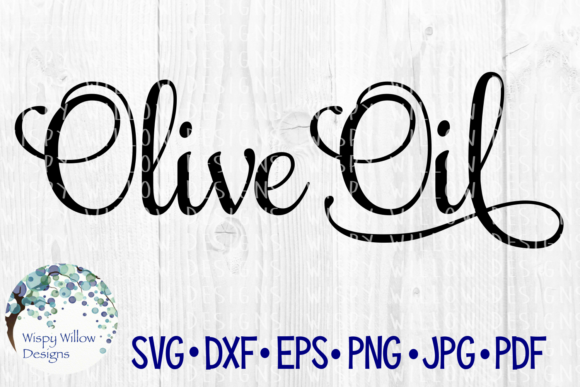
When you download a design like this, you typically receive it in multiple file formats. This is crucial for its practical application across different mediums and technologies. Each format serves a distinct purpose, and knowing the difference empowers you to use the design correctly.
- SVG (Scalable Vector Graphic): This is arguably the most important format for digital and physical craft today. SVG is a vector file. This means the image is defined by mathematical paths, points, and curves rather than pixels. The result? You can resize it to any size—from a tiny sticker to a massive billboard—without any loss of quality or sharpness. It's perfect for web design, cutting machines, and scalable printing.
- Transparent PNG (Portable Network Graphic): This is a raster or pixel-based file with a key feature: transparency. The background is invisible, allowing you to easily place the lettering over any other image or color digitally. It's ideal for social media graphics, digital invitations, website overlays, and simple printing where extreme scaling isn't needed.
- EPS (Encapsulated PostScript): A legacy but still widely used vector format, especially in professional print and graphic design industries. Like SVG, it is scalable and is often favored by commercial printers and older design software like Adobe Illustrator for high-quality output.
- DXF (Drawing Exchange Format): This is a specialized vector format primarily for computer-aided design (CAD) and, more popularly now, for CNC machines and vinyl cutters. If you want to physically cut this "Happy Birthday" design out of wood, metal, vinyl, or acrylic using a machine like a Cricut or laser cutter, the DXF file is what you would use.
Offering all four formats ensures the design is universally useful, fitting seamlessly into modern workflows across technology, business, education, and daily creative activities.
Common Misunderstandings Clarified
There are a few common assumptions worth clarifying. First, some might think that because lettering is "art," it's only for professional designers. This is false. With the provided files and modern user-friendly software (even free online tools), anyone can import these designs and use them for personal projects.
Second, a misunderstanding exists around file formats. People might try to use a small PNG for a large print project and find it looks blurry. Understanding that PNG is pixel-based (good for fixed sizes) and SVG/DXF/EPS are vector-based (good for any size) solves this problem. The bundle of formats is designed precisely to prevent this issue.
Finally, the phrase "inspired by my fonts" might suggest the lettering is just a pre-made word from the font. It's not. It is a custom illustration. You cannot type other words with it; it is a single artwork. The fonts (Congrats Script, Hey Pretty Girl) are the tools others could buy to create their *own* varied text, while this lettering is a ready-made, unique product.
Fitting into Modern Creativity and Business
How does this fit into the bigger picture? Let's explore a few realms.
In Daily Life and Celebration
For the general reader, this is about elevating personal moments. Imagine using the transparent PNG to quickly create a beautiful birthday video overlay for a friend. Or using the SVG with a home cutting machine to produce a custom vinyl decal for a birthday gift jar. The design removes the technical barrier, letting you focus on the sentiment.
In Small Business and Entrepreneurship
A small business owner selling handmade candles could use the DXF file to cut "Happy Birthday" labels from gold vinyl for special edition products. A freelance graphic designer could use the EPS or SVG file as a premium element in a client's birthday campaign branding, ensuring it scales perfectly for everything from web ads to store posters. It becomes a cost-effective asset.
In Education and Creative Learning
In an art or digital design class, this bundle of files serves as a perfect case study. Students can learn about the differences between raster and vector graphics by comparing the PNG and SVG files. They can explore how design inspiration flows from fonts (systems) to lettering (specific art), deepening their understanding of typography.
In Technology and Digital Workflows
The inclusion of SVG highlights its role as the web's modern vector standard. The DXF file speaks to the growing intersection of digital design and physical fabrication (the "maker" movement). This design isn't stuck in one medium; it's built to travel across the digital-physical bridge, which is a cornerstone of contemporary technology.
Building a Broader Understanding: Lettering as a Creative Bridge
To build a broader understanding, view such lettering designs as creative bridges. They bridge:
- Art and Utility: They are beautiful but serve a clear, practical function.
- Professional and Personal: They are created with professional skill but distributed for personal use.
- Digital and Physical: The files ensure the art can live on a screen or be carved into material.
- Inspiration and Implementation: They show how artistic fonts can inspire specific artwork, guiding others on how to develop their own creative process.
Examples in use help cement this naturally. Consider a bakery that downloads this design. They might use the SVG to print a large, crisp birthday banner for their shop window. They might use the DXF to cut precise cake-topper decorations from edible paper with a specialized cutter. The same single design concept multiplies into numerous applications, saving time and ensuring brand consistency.
Ultimately, a design package like this—centered on a universally understood phrase like "Happy Birthday" and explained with its creative lineage—is more than a product. It is a lesson in digital artistry, a toolkit for modern expression, and a testament to how thoughtful design, when paired with the right technical formats, can empower anyone to add a touch of crafted beauty to their world. By understanding the components, from the artistic inspiration to the practical file types, you gain not just a set of files, but a deeper appreciation for the language of visual communication that surrounds us all.