Aliquest Script: A Modern Handwritten Font for Creative Projects
In the realm of digital typography, script fonts offer a unique avenue for adding personality and warmth to designs. Among these, Aliquest Script presents itself as a contemporary option characterized by its fresh, stylish handwritten aesthetic. This article provides an evaluative overview of Aliquest Script, examining its characteristics, potential applications, and considerations for designers and project managers seeking a font with a natural, classy feel.
Understanding the Aliquest Script Font
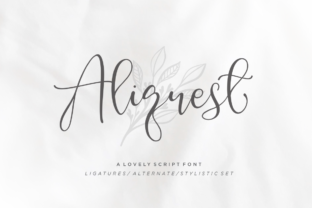
Aliquest Script is a digital typeface designed to emulate the qualities of elegant, modern handwriting. It typically features flowing letterforms, varied stroke weights, and a connected script style that aims to feel organic rather than overly rigid or formal. The design goal is to strike a balance between stylistic flair and readability, offering a tool that injects a human touch into digital interfaces, print materials, and branding elements. As a script font, it falls into a category distinct from serif or sans-serif typefaces, prioritizing expressiveness over stark neutrality.
Core Characteristics and Stylistic Intent
The font’s description emphasizes a natural, classy feel. In practical terms, this often translates to letterforms that may include subtle imperfections or variations in baseline alignment, mimicking the natural inconsistency of hand-drawn letters. The "stylish handwritten style" suggests a design tuned for contemporary tastes, avoiding overtly archaic or overly casual calligraphic references. This makes Aliquest Script potentially suitable for projects that require a sense of sophistication without resorting to traditional, sometimes dated, script styles.
Reasons for Considering Aliquest Script
Individuals or teams might evaluate Aliquest Script for several key reasons. Primarily, it serves as a solution for projects requiring a distinct visual voice. When standard system fonts or common sans-serif typefaces feel too generic, a well-executed script font can establish mood and identity quickly.
- Brand Differentiation: For startups, boutique businesses, or creative agencies, a unique script can become a central part of a logo or brand identity, conveying artistry, personal attention, or craftsmanship.
- Emotional Resonance: Script fonts inherently carry connotations of human effort and personal touch. Aliquest Script could be leveraged to foster feelings of warmth, authenticity, or approachability in marketing materials, invitations, or personal projects.
- Visual Hierarchy and Accent: Even if not used for body text, a script font like Aliquest Script can serve as an effective accent font for headlines, pull quotes, or decorative elements, breaking the monotony of a layout.
Benefits, Tradeoffs, and Practical Considerations
Choosing any script font involves weighing its aesthetic benefits against functional constraints. Aliquest Script offers potential benefits but also presents typical tradeoffs associated with its genre.
Potential Benefits
- Aesthetic Appeal: Its main advantage is the immediate stylistic upgrade it can provide, making designs look custom-made and thoughtfully curated.
- Versatility within Style: Described as "perfect for any awesome project," suggests its designers aim for broad applicability across modern contexts—from website headers to product packaging to social media graphics.
- Emotional Connectivity: It can help projects feel more personal and less corporate, which is valuable in sectors like wellness, wedding planning, artisan goods, or independent publishing.
Common Tradeoffs and Challenges
- Readability Concerns: Script fonts, especially those with intricate connections or low x-heights, can suffer in readability at small sizes or in long paragraphs. Aliquest Script should likely be reserved for display purposes.
- Limited Functional Use: It is generally unsuitable for body text, user interface copy, or any context requiring rapid, unambiguous text scanning. Overuse can make a design cluttered and difficult to parse.
- Technical Compatibility: Ensuring the font renders consistently across all browsers and devices requires proper web font implementation. Some intricate script details may not display perfectly on all screens.
- Style Match: The "classy feel" must align with the project's overall tone. Using it in a context that requires stark minimalism or technical authority could create a dissonant message.
Situations Where Aliquest Script is a Strong Fit
This font may be an excellent choice when specific conditions are met. It aligns well with projects that prioritize visual identity and mood over dense information delivery.
First, branding projects for creative or lifestyle businesses are a prime candidate. A cafe, a jewelry designer, a wedding planner, or a independent author might find that Aliquest Script encapsulates their brand's handmade, attentive ethos. Second, short-form promotional materials like posters, banner ads, or Instagram graphics where text is minimal and impactful can benefit from its stylistic punch. Third, personal projects or invitations seeking an elegant, custom look without commissioning actual hand lettering could use this font effectively. The key is that the text volume is low, and the context welcomes artistic expression.
When to Consider Alternatives
Despite its strengths, Aliquest Script is not a universal solution. In several scenarios, alternative typefaces should be seriously evaluated.
For any project requiring extensive body text, such as a blog, an ebook, or a lengthy report, a readable serif or sans-serif font is a fundamental necessity. A script font would impair usability. Similarly, for formal corporate communications, technical documentation, or data-heavy interfaces, the informality of a script could undermine the required tone of authority and clarity.
Furthermore, if accessibility is a primary concern, script fonts often pose challenges for readers with visual impairments or dyslexia. Clear, simple typefaces with high legibility are preferred. Also, if the project’s budget or technical scope cannot support custom font licensing and implementation, a more widely available system font or open-source alternative might be a more pragmatic choice.
Alternatives Range
Alternatives could include other script fonts with different stylistic weights—from more formal calligraphic scripts to looser brush scripts—depending on the precise mood needed. For a more neutral yet unique look, stylished sans-serif fonts or serif fonts with personality might offer a compromise between distinctiveness and readability.
Practical Decision-Making Insights
Evaluating Aliquest Script for a specific project should be a structured process. Begin by defining the project's core requirements: the amount of text, the primary medium (print vs. digital), the target audience's expectations, and the overarching message (corporate, friendly, artistic, etc.).
Next, obtain and test the font directly. Use it in mock-ups for its intended application—likely a headline, logo, or short slogan. Assess its readability in context and check its visual harmony with other design elements like colors, imagery, and other fonts in the palette. Pay attention to licensing terms; ensure the font license covers your intended use cases (web, print, commercial).
Finally, compare it against a shortlist of two or three other options. A/B testing different fonts on a key design element can reveal which one best communicates the desired feeling. Remember that a font choice is not just about aesthetics; it is a functional tool that either facilitates or hinders communication.
Determining Alignment with Your Goals
To decide if Aliquest Script aligns with your needs, ask decisive questions: Is the project's success more dependent on stylistic impression than on text-heavy information transfer? Does the "natural, classy feel" directly support the emotional tone you wish to project? Are you prepared to use it sparingly and strategically, pairing it with highly legible fonts for other text? Can you handle the technical and licensing requirements? If the answers are predominantly yes, then Aliquest Script warrants serious consideration. If uncertainties arise around readability, tone mismatch, or practicality, then continuing the search for a more suitable typeface is advisable.
In summary, Aliquest Script is a specialized tool in the typographic toolbox. Its value lies in its ability to provide a contemporary handwritten elegance, making it a compelling choice for accent text in creative, personal, or lifestyle-oriented projects where visual character is paramount. However, its use demands careful consideration of the tradeoffs inherent to script fonts, particularly regarding readability and contextual fit. By evaluating your project's functional needs alongside its aesthetic aspirations, you can make an informed decision on whether this particular script font will enhance your design or complicate your communication.